Rig Stack
A rig stack refers to the structured arrangement and installation of critical drilling equipment used in oil and gas drilling operations. It consists of several components stacked vertically on the drilling rig to control pressure, manage drilling fluids, and ensure safe and efficient drilling activities. The rig stack is an essential part of drilling operations and plays a crucial role in maintaining well control and operational safety.
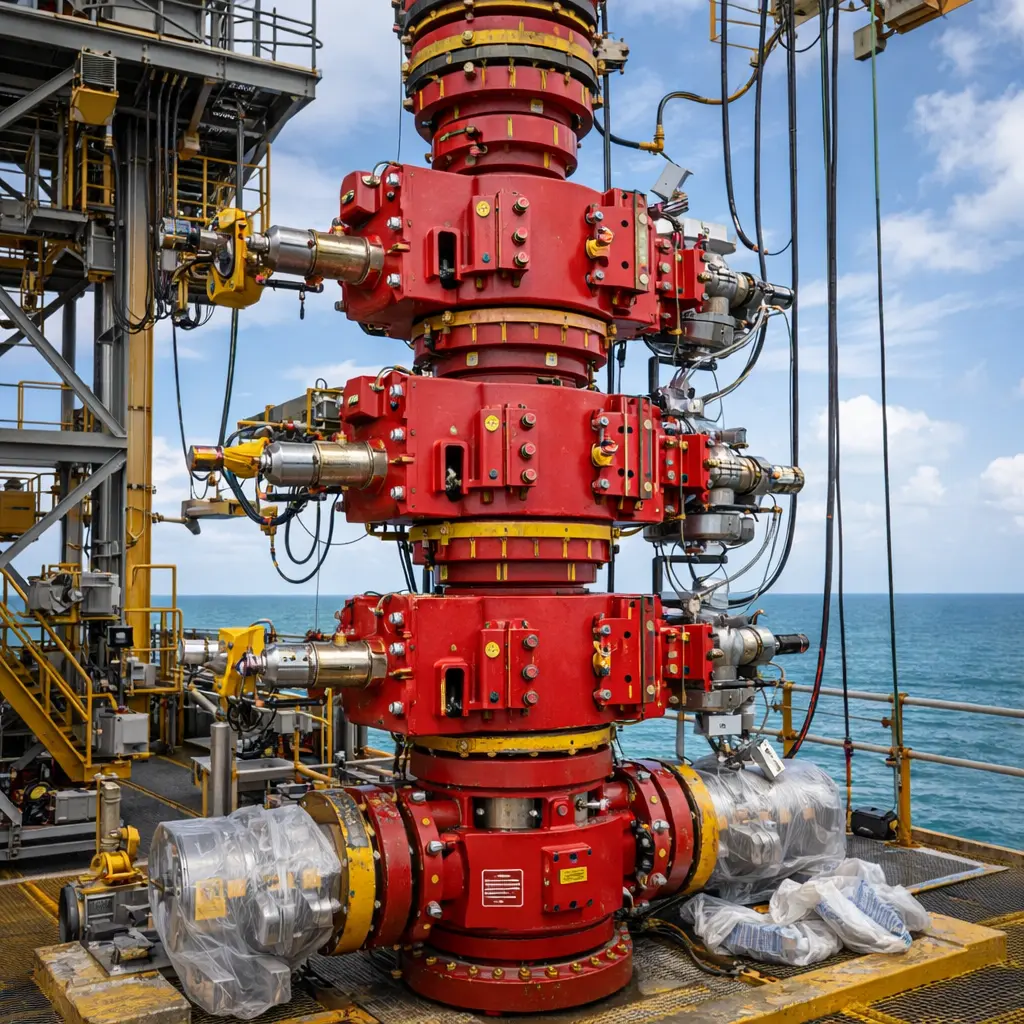
The most important component of a rig stack is the Blowout Preventer (BOP) stack, which is designed to control unexpected pressure from underground formations. The BOP stack is installed on top of the wellhead and consists of multiple valves and sealing systems that can close around the drill pipe or seal the well completely in case of a blowout risk. This system helps prevent uncontrolled release of oil, gas, or drilling fluids from the well.
A typical rig stack includes several components such as annular preventers, ram preventers, hydraulic connectors, choke and kill lines, and control systems. These components work together to regulate well pressure and allow drilling operations to continue safely even under challenging conditions. The rig stack is designed to withstand extreme pressure, temperature, and harsh environmental conditions, especially in offshore drilling environments.
Before installation, all rig stack components undergo detailed inspection, testing, and preservation procedures to ensure they meet safety and operational standards. Regular maintenance, pressure testing, and monitoring are carried out to maintain the reliability and integrity of the system.
Rig stack operations require highly skilled technicians and engineers who carefully assemble and monitor the equipment throughout the drilling process. Proper installation and maintenance of the rig stack are essential to ensure safe drilling operations, prevent accidents, and protect both personnel and the environment.
By maintaining a reliable rig stack system, drilling companies can ensure efficient well control, minimize operational risks, and support successful oil and gas exploration activities.